
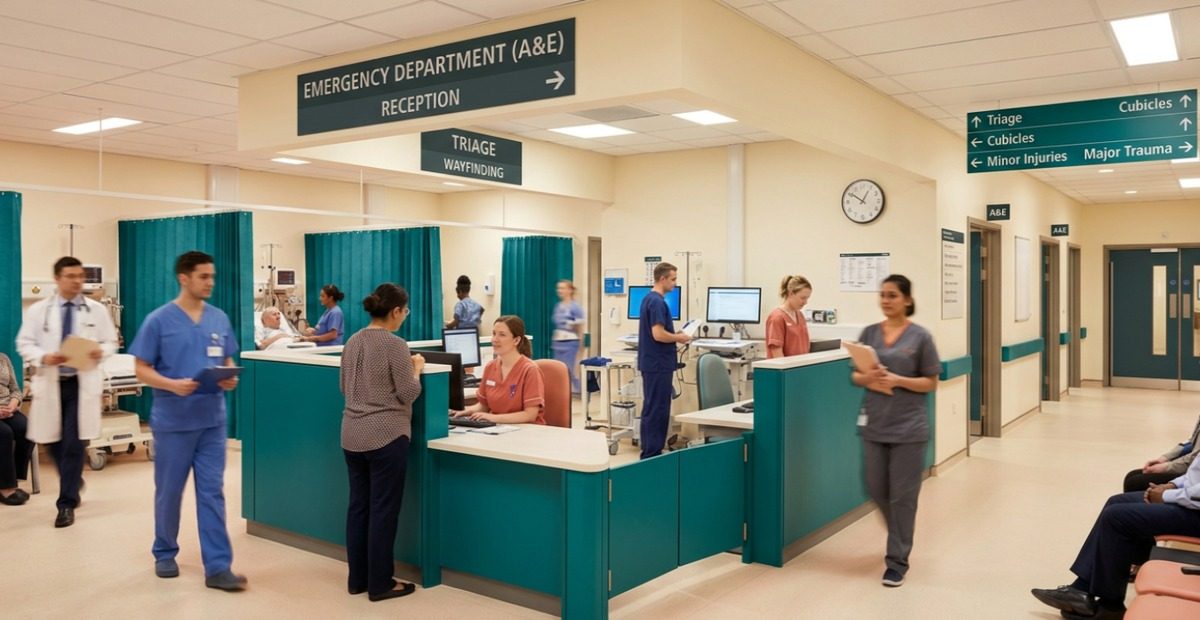
在英格蘭,急切護理和緊急救治 不是同一回事。NHS 111、緊急治療中心(UTC,Urgent Treatment Centre)、急症室(A&E)和 999 各有不同角色。本頁只協助你理解制度和準備資料,不會代替醫護人員判斷病情。
In England, urgent care and emergency care are not the same. NHS 111, Urgent Treatment Centres (UTCs), A&E and 999 play different roles. This page explains the system and preparation steps; it does not assess your condition.
- 生命危險或嚴重緊急情況:立即致電 999 或前往 急症室(A&E)。
- 不確定是否需要 急症室(A&E):聯絡 NHS 111。111 online 主要供 5 歲或以上人士使用;5 歲以下兒童請致電 111。
- 情況急切,但未必危及生命:可能會涉及 NHS 111、緊急治療中心(UTC)或其他急切護理服務,取決於地區安排和實際情況。
- Life-threatening or serious emergency: call 999 immediately or go to A&E.
- Unsure whether A&E is needed: contact NHS 111. NHS 111 online is mainly for people aged 5 and over; for children under 5, call 111.
- Urgent but not life-threatening: NHS 111, UTC or another urgent care route may be involved, depending on your local area and situation.
資料來源:NHS 急切及緊急護理頁面、NHS 111、NHS England 緊急治療中心。
1. 急症室(A&E)/999 基本概念1. A&E / 999 basics
A&E,即 急症及緊急部門(Accident and Emergency/Emergency Department),是處理嚴重受傷和危及生命緊急情況的地方。999 則是生命危險或需要即時緊急協助時使用的電話號碼。
A&E, also called Accident and Emergency or the Emergency Department, is for serious injuries and life-threatening emergencies. 999 is for life-threatening emergencies or when immediate emergency help is needed.
2. 緊急治療中心(UTC)和 NHS 111 有甚麼角色?2. What are UTC and NHS 111 for?
緊急治療中心(UTC,Urgent Treatment Centre)通常處理急切但未必危及生命的問題。NHS England 形容 緊急治療中心(UTC) 是為「urgent medical help when it’s not a life-threatening emergency」而設,很多 緊急治療中心(UTC) 亦可透過 NHS 111 安排或引導。
Urgent Treatment Centres (UTCs) usually deal with urgent problems that are not life-threatening. NHS England describes UTCs as providing urgent medical help when it is not a life-threatening emergency, and many UTC routes can be guided or booked through NHS 111.
| Service | 簡單理解Simple idea | 注意Note |
|---|---|---|
| NHS 111 | 不確定下一步應使用哪項服務時,可先取得指引。Use when you are unsure what to do next. | 111 online 主要供 5 歲或以上人士使用;5 歲以下兒童請致電 111。111 online is mainly for people aged 5+; call 111 for children under 5. |
| UTC | 情況急切,但未必危及生命。Urgent, but not life-threatening. | 不同地區安排可能不同;部分 緊急治療中心(UTC) 需要先經 NHS 111 預約或轉介,並非全部可即場登記/毋須預約。Local arrangements can differ; some UTCs may need booking or referral through NHS 111 and may not all be direct walk-in services. |
| A&E / 999 | 嚴重、危及生命、需要即時緊急協助。Serious, life-threatening or immediate emergency help. | 情況危急時不要等待網上資料。Do not wait for online information in a serious emergency. |
3. 兒童前往 急症室(A&E)/急切護理 要注意甚麼?3. Children and A&E / urgent care
兒童病情有時可以較快變化。重點不是自行判斷「最合適」的醫院,而是避免延誤緊急求助。若有生命危險,請立即致電 999;若不確定下一步,應及早聯絡 NHS 111。
Children’s conditions can sometimes change quickly. The most important point is not choosing the “perfect” hospital yourself, but not delaying emergency help. If life is at risk, call 999 immediately; if you are unsure what to do next, contact NHS 111 early.
- 5 歲以下兒童如不確定下一步,請致電 NHS 111,而不是使用 111 online。
- 有些醫院設有 兒童急症室(Children’s A&E/Paediatric Emergency Department),但不同醫院和地區配置可能不同。
- 如情況容許,出發前可查詢本地服務或使用 NHS 111;如有生命危險,請不要延誤,立即致電 999。
- 若兒童有長期病、專科跟進、藥物或過敏史,請準備相關資料。
- For children under 5, call NHS 111 if you are unsure, rather than using 111 online.
- Some hospitals have a Children’s A&E / Paediatric Emergency Department, but local services and age arrangements can differ.
- If the situation allows, check local services or use NHS 111 before travelling; if life is at risk, do not delay and call 999.
- If the child has a long-term condition, specialist follow-up, medicines or allergies, bring relevant information.
4. 有專科跟進的人士,急症時應否返回同一間醫院?4. If you are under specialist follow-up, should you return to the same hospital?
如情況容許,而本次急症可能與現有專科病情、治療或手術跟進有關,可以考慮先查詢平時跟進的 醫院/醫院信託 是否有指定急症入口、專科建議或 值班 安排。這有時有助銜接紀錄和院內專科溝通,但並非必然規則。
If the situation allows, and the urgent problem may be related to an existing specialist condition, treatment or surgical follow-up, you may consider checking whether your usual hospital or trust has a specific emergency route, specialist advice line or on-call arrangement. This may sometimes help with records and internal specialty communication, but it is not a fixed rule.
同一間醫院不保證更快治療,也不保證會見到原本的 專科醫生;另一間 急症室(A&E) 亦可以處理緊急需要。生命危險時請立即致電 999。The same hospital does not guarantee faster treatment or seeing your original consultant; another A&E can still handle emergency needs. If life is at risk, call 999 immediately.
5. 到達 急症室(A&E) 後通常會經歷哪些流程?5. What may happen at A&E?
不同醫院的流程會有差異,但通常會先登記資料,然後由醫護人員進行 分流(triage)。等候次序通常按臨床緊急程度,而不是單純按到達時間。
Processes differ between hospitals, but you will commonly register first and then be assessed through triage. Waiting order is usually based on clinical urgency, not simply arrival time.
6. 前往 急症室(A&E)/急切護理 前可以準備甚麼資料?6. What information can you bring?
你不需要攜帶大量雜亂文件。最有用的通常是簡短、清楚,並與本次情況有關的資料。
You do not need a huge pile of paperwork. Short, clear and relevant information is usually more useful.
- 主要問題:當日最擔心的是甚麼。
- 時間線:何時開始、是否變差、發生過甚麼變化。
- 藥物清單:正在服用甚麼、劑量、最近有否改動。
- 敏感紀錄:藥物、食物或其他 過敏。
- 最近的 門診信件、出院摘要(discharge summary)、檢查結果(如與本次情況有關)。
- 專科團隊、醫院、專科醫生 名稱(如有)。
- 兒童:長期病、特殊需要、疫苗/體重/常用藥等重要資料。
- Main concern: what you are most worried about today.
- Timeline: when it started, whether it worsened, and what changed.
- Medication list: medicines, doses and recent changes.
- Allergy record: medicines, food or other allergies.
- Recent clinic letter, discharge summary or test result if relevant.
- Specialist team, hospital and consultant name if applicable.
- For children: long-term conditions, special needs, vaccination / weight / regular medicines if relevant.
7. 急症室(A&E)/急切護理 常用英文句子7. Useful English phrases
官方查詢入口Official places to check next
以下連結只作官方查詢起點,方便你到 NHS 官方網站核對急症、急切護理、醫院位置及 111/999 的正式說明。這些連結不代表英醫路替你判斷你應去哪裡。
These links are only official starting points so you can check urgent care, hospital locations and the formal NHS guidance on 111 and 999. They do not mean Health Road England is deciding where you should go.
如情況危及生命,請不要花時間比較地點或閱讀更多頁面,應立即致電 999 或前往 A&E。
If life may be at risk, do not spend time comparing locations or reading more pages. Call 999 or go to A&E immediately.
當情況急但你仍不確定方向時,可先用 NHS 111 官方入口。
If the situation is urgent but you are still unsure, start with the official NHS 111 route.
官方說明Guidance 何時使用 NHS 111When to use NHS 111查看 NHS 官方對 111 適用情況的說明。
Read the NHS guidance on situations where 111 may be appropriate.
官方說明Guidance 何時應致電 999When to call 999如你主要想核對是否已屬生命危險,可直接查看 NHS 官方說明。
If you need to check whether the situation may be life-threatening, use the NHS guidance on calling 999.
官方搜尋Search 查找急切及緊急護理服務Find urgent and emergency care services按地區搜尋官方列出的 急切護理/緊急救治 相關服務。
Search for urgent and emergency care services listed for your area.
官方搜尋Search 查找醫院Find a hospital如你需要核對醫院地址、電話或服務資料,可使用 NHS 官方搜尋頁。
Use the official NHS search if you need to check hospital address, phone number or service details.
以上連結只供官方查詢;遇到緊急情況時,不應因閱讀更多資料而延誤求助。These links are for official checking only. In an emergency, do not delay care while reading more information.
下一步:相關頁面Next step: related pages
重要聲明(急症及 急症室(A&E) 指南)Important notice (Urgent & A&E Guide)
本頁只提供英格蘭急症及 急切護理 制度導航與求助準備資訊,並非醫療建議,也不提供診斷、病情評估或治療建議。
This page only provides urgent and emergency care navigation and preparation information for England. It is not medical advice and does not provide diagnosis, condition assessment or treatment recommendations.
如情況危及生命,請立即致電 999 或前往 A&E。如不確定是否需要急症室(A&E),請聯絡 NHS 111。
If the situation is life-threatening, call 999 immediately or go to A&E. If you are not sure whether A&E is needed, contact NHS 111.
不要因為想選擇指定醫院而延誤緊急求助。NHS 制度、地區安排和服務細節可能會更新,請以 nhs.uk 最新資料為準。
Do not delay emergency help because you want to choose a particular hospital. NHS systems, local arrangements and service details may change. Please follow the latest information on nhs.uk.
獨立資訊工具,與 NHS 並無官方關係